At a Glance
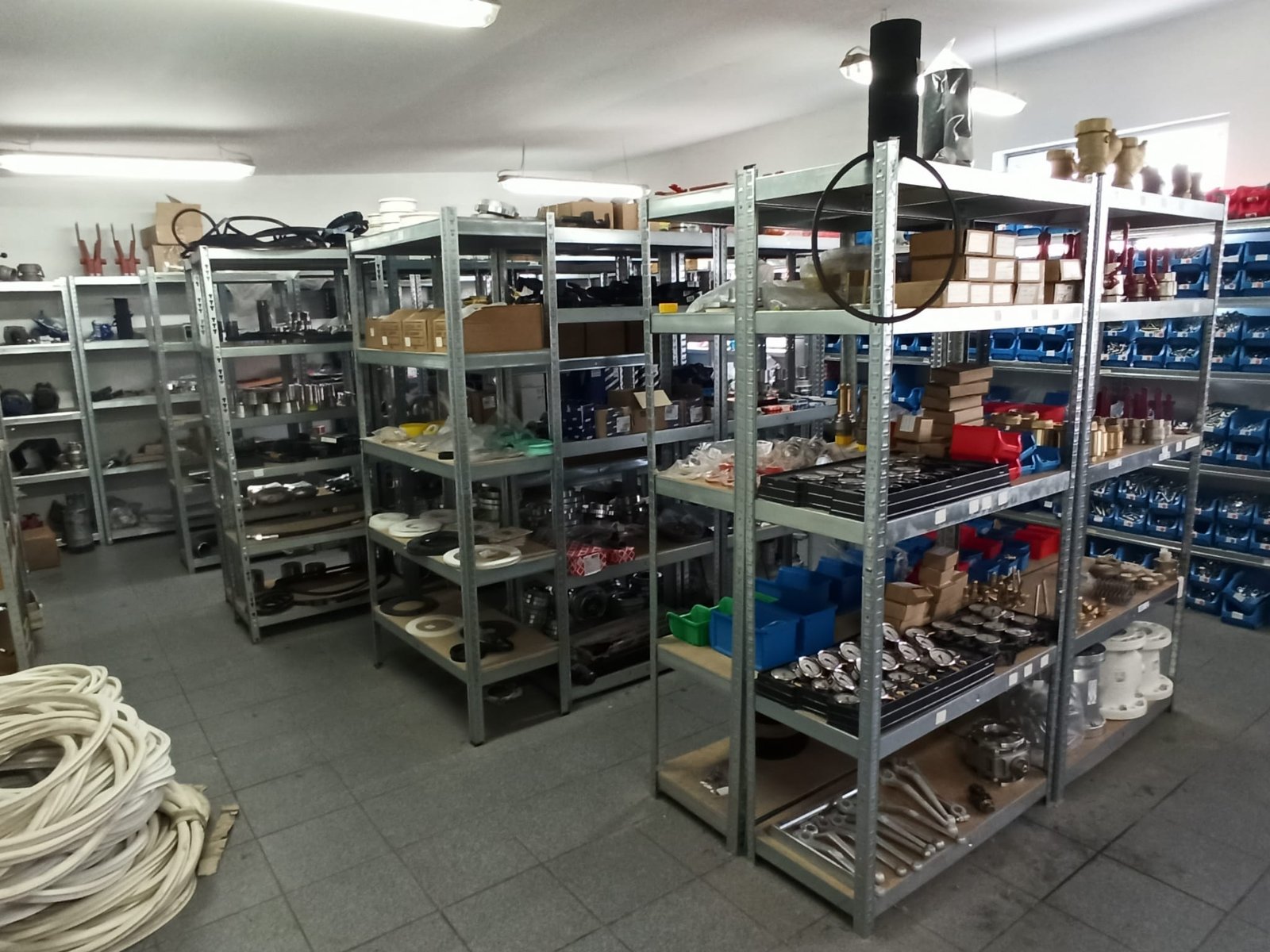
Spitzer aeration pads – a microporous fabric fitted to the tank floor that fluidises bulk material with compressed air (up to approx. 2 bar). Types: polyester (PE/PP granulate, flour), polyamide (cement, lime), silicone food-grade (foodstuffs), PTFE (aggressive chemicals). Service life: 1–10 years depending on the material carried. Signs of wear: uneven discharge, residual material on the tank floor, rising pressure without complete emptying. Full-set replacement: 6–8 hours of labour. PHS Magnum keeps pads for the Spitzer SF/SK series in stock.
Aeration Pads on a Silo Trailer – Technical Guide
An aeration pad (German: Belüftertuch) is an unassuming component of a silo trailer that has a profound effect on discharge efficiency. Without serviceable pads, gravity–pneumatic discharge is either impossible or severely compromised.
How Do Aeration Pads Work?
An aeration pad is a microporous fabric mounted on the floor of the silo tank. During discharge, compressed air (up to approx. 2 bar) is blown through the pad from below. The air fluidises the bulk material – granulate, cement, or flour behaves like a liquid and flows towards the outlet.
Without aeration: the material falls towards the outlet under gravity, but tends to bridge and block. With aeration: the material flows freely, and the tank empties to 95–99%.
Spitzer Aeration Pad Types
Standard polyester:
- Material: polyester knit coated with PVC or PE
- Applications: plastic granulate (PE, PP, PVC), sugar, flour
- Service life: 3–6 years
Polyamide (type H – Heavy Duty):
- Material: reinforced polyamide fabric
- Applications: cement, lime, gypsum, marble powder
- Service life: 1–3 years with cement (highly abrasive)
Silicone / Food Grade:
- FDA and (EC) 1935/2004 approved
- Applications: icing sugar, starch, dairy powders
- Service life: 5–10 years
Signs of Worn Aeration Pads
Symptom 1: Inability to fully empty the tank
If 5–15% of material regularly remains in the tank, this is the first indication that the aeration pads are worn or blocked. Clogged pads do not pass air – aeration stops working.
Symptom 2: Uneven discharge
Material flows unevenly from one side; the opposite side of the tank empties more slowly. This points to wear or damage on one or more pads.
Symptom 3: Rising pressure during discharge
If system pressure climbs to MOP (2.2 bar) without the tank fully emptying, the pads are most likely clogged or leaking.
Symptom 4: Powder in the air lines
A damaged pad allows material into the pneumatic system. This appears as a dusty residue in hoses or valves.
Pad Replacement – Step by Step
- Empty and clean the tank
- Enter via the top hatch (or through the lower service opening)
- Remove the clamping strip (M8–M10 bolts)
- Pull out the old pad
- Clean the groove of any residual material
- Fit the new pad (dry – do not lubricate)
- Torque the strip to the specified value (do not overtighten – it will tear the pad)
- Pressure-test the aeration system
Call +48 602 716 551 – full aeration pad service for Spitzer trailers.
Related: Spitzer Service · Spare Parts · TDT Inspection · Repair & Refurbishment