In Brief
Spitzer pneumatic system – compressed air from the tractor’s PTO compressor (or an autonomous unit) passes through a filter, isolating valves and distribution manifold to the aeration pads at the base of the tank. Working pressure: up to approximately 2 bar. The five most common faults are: leaking high-pressure hose, seized isolating valve DN100/125, damaged rubber seal on the tank hatch, clogged air filter, and worn aeration pads. Maintenance every 50,000 km or 12 months. PHS Magnum services the pneumatic systems of all Spitzer series trailers.
Spitzer Silo Trailer Pneumatic System – How It Works
Understanding how the pneumatic system is built is the foundation for accurate fault diagnosis and effective maintenance. A Spitzer silo trailer has no engine of its own – compressed air comes from an external source: the tractor’s power take-off (PTO) or an autonomous compressor mounted on the trailer chassis.
Compressed Air Flow Diagram
Compressor / Tractor PTO
        ↓
Air filter (oil-filter)
        ↓
Main isolating valve (DN100 or DN125)
        ↓
Distribution manifold
        ↓
Individual chamber isolating valves
        ↓
Aeration pads (tank floor)
        ↓
Bulk material – fluidisation
        ↓
Discharge valve / outlet valve
        ↓
Pressure pipe → destination silo
The pressure gauge monitors pressure in the manifold. The safety valve (MOP – Maximum Operating Pressure) protects the tank from exceeding the maximum allowable pressure (typically 2.2–3.0 bar, depending on the model).
5 Common Faults in the Spitzer Pneumatic System
Fault 1: Leaking High-Pressure Hose
Symptoms: Audible hissing during system operation, inability to maintain working pressure, extended discharge time.
Causes:
- Mechanical damage to the hose (chafing against the chassis or exhaust system)
- Rubber ageing – cracking at the end-fitting ferrules
- Corroded hose end fitting (road salt)
- Excessive hose bending beyond the minimum bend radius
Diagnosis: Visual inspection of the hose routing; spray with soapy water at working pressure.
Repair: Replace the hose with an original or approved equivalent (test pressure min. 2× MOP). Non-standard hoses from general hydraulics suppliers may not meet the required pressure and temperature ratings.
Roadside repair? Possible if you carry a crimped end fitting and a spare hose of the correct bore. A temporary fix with a hose clamp is not acceptable at pressures above 0.5 bar.
Fault 2: Seized or Leaking Isolating Valve
Symptoms: Unable to isolate air to a specific chamber, material fails to discharge even with the valve open, air leaking past the valve stem.
Causes:
- Contamination of the valve seat with dust from the carried material
- Stem corrosion due to lack of maintenance
- Damaged rubber stem seal
- Seat deformation following a mechanical impact
Valve types in Spitzer trailers: Butterfly (flap) valves DN100 and DN125 are standard in manifold assemblies. Ball valves are used in low-pressure branches.
Diagnosis: Check whether the valve stem rotates freely without tools. A stuck stem indicates seizure or corrosion.
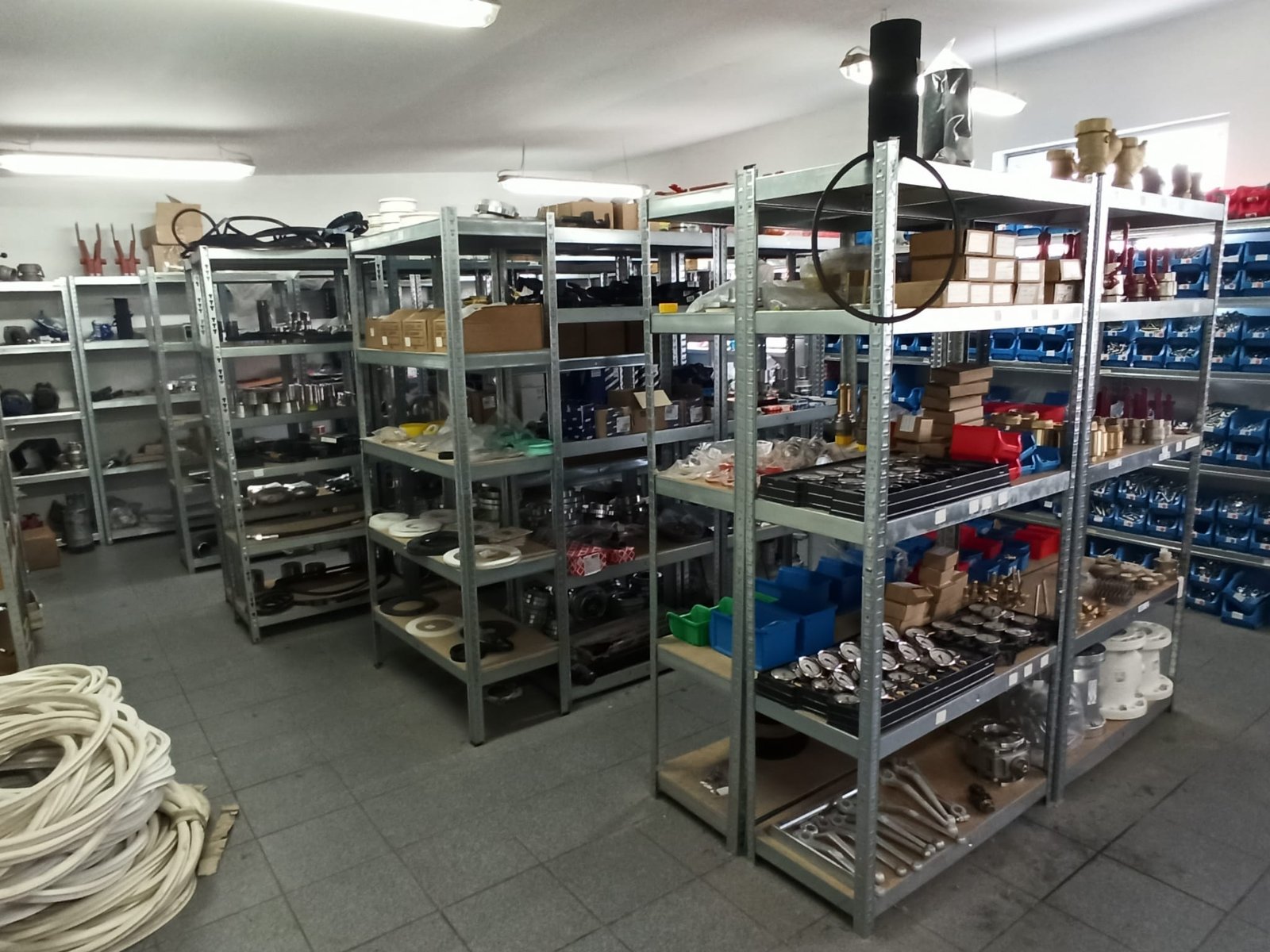
Repair: Disassemble and clean the valve seat; replace stem seals (most common remedy); replace the entire valve if the seat is deformed. Spare parts: Spitzer Spare Parts .
Roadside repair? Freeing a seized stem with penetrating oil or compressed air – possible. Replacing stem seals – requires a service facility.
Fault 3: Damaged Rubber Seal on the Tank Hatch
Symptoms: Tank pressure will not rise above 0.3–0.5 bar despite a functioning compressor; audible hissing at the hatch; material may absorb moisture through the leak.
Causes:
- Rubber ageing (hardening, cracking)
- Mechanical damage to the gasket (careless loading)
- Dirt or stone trapped between the gasket and the hatch seat
- Insufficient cover clamping force (worn hinges or locking mechanism)
Diagnosis: With tank pressure applied, run soapy water around the gasket – visible bubbles confirm a leak. Inspect the gasket visually: check for compression set, hardness, cracking.
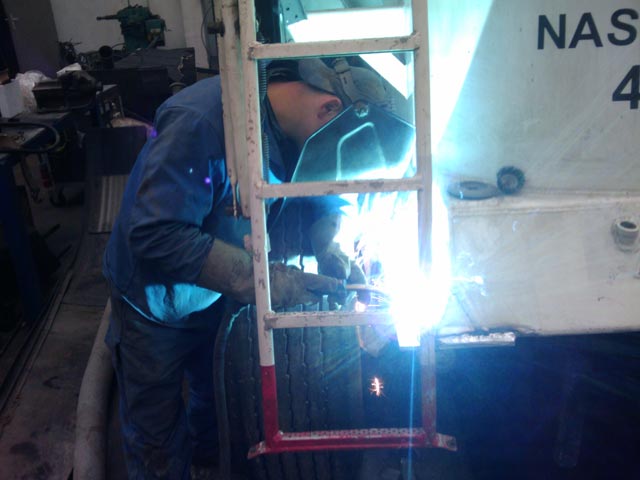
Repair: Replace the EPDM gasket with a new one (profile varies by Spitzer series – SF and SK models may have different hatch seats). If the hatch seat is damaged – welding repair or cover replacement.
Roadside repair? Temporary sealing with high-temperature silicone is acceptable as an emergency measure only when working pressure is below 0.5 bar.
Fault 4: Clogged Air Filter
Symptoms: Compressor runs under increased load, pressure builds slowly, possible compressor overheating; if the filter has an inspection window – visible contamination.
Causes:
- Overdue filter element replacement
- Transporting highly dusty materials (fly ash, flour) without shortening the maintenance interval
- Water or oil ingestion from the tractor PTO air supply
Diagnosis: Visually inspect the filter element at the next service. Measure the pressure differential across the filter (gauges before and after).
Repair: Replace the filter element. If oil contamination is present – inspect the oil separator and filters on the tractor PTO circuit.
Roadside repair? Yes – removing and replacing the filter element takes 15–30 minutes with no need for a service facility.
Fault 5: Worn Aeration Pads
Symptoms: Incomplete discharge, material remaining on the chamber floor after unloading (5–20% of capacity), rising pressure without discharge effect, powder or dust in the air circuit (pad allowing material back-flow).
Causes:
- Natural wear (service life of 1–6 years exceeded)
- Mechanical damage during loading
- Chemical attack (aggressive material, incorrect pad material selection)
- Moisture ingress and biological degradation of the pad fabric
Diagnosis: Enter through the top hatch with a torch – visually inspect each pad. Low-pressure test (0.1 bar): uniform seepage across the entire surface indicates a pad in good condition.
Repair: Aeration pad replacement – comprehensive service at PHS Magnum. See also: Spitzer Aeration Pads .
Roadside repair? No – pad replacement requires the tank to be emptied and cleaned, plus workshop tooling.
Pneumatic System Maintenance Schedule
Every 50,000 km or 12 Months (whichever comes first)
- Replace the air filter element
- Inspect and lubricate isolating valves (temperature- and steam-resistant grease)
- Inspect hoses – visual check for cracks, chafing, and swelling
- Inspect hatch gasket condition
- System leak test at working pressure (pressure gauge, 3 minutes with supply closed)
- Inspect aeration pads through the top hatch
Every 100,000 km or 24 Months
- Replace high-pressure hoses (preventively – even if no visible damage)
- Test safety valves (MOP) – check opening pressure
- Check pressure gauges (calibration or replacement)
- Aeration pad inspection – specialist review
Every 5 Years
- TDT pressure vessel inspection (mandatory – Technical Inspection Office)
- Replace safety valves
- Comprehensive inspection of all pressure-circuit components
Further information on TDT inspections: Silo Trailer TDT Inspection .
When to Repair on the Road, When to Head to the Service Centre?
| Situation | Roadside repair? | Notes |
|---|---|---|
| Leaking hose (minor) | Yes – spare hose | Temporary fix until service |
| Seized valve – freed with penetrating oil | Yes – penetrating oil | If unsuccessful – go to service |
| Clogged filter | Yes – replace element | Keep a spare element in the cab |
| Damaged hatch gasket | Limited | Pressure < 0.5 bar – emergency only |
| Worn aeration pads | No | Requires workshop and full disassembly |
| MOP safety valve failure | No | Safety-critical – go to service immediately |
| Damaged pressure gauge | Yes – replacement | Operating without a working gauge is not permitted |
Spitzer Pneumatic System Service – PHS Magnum Chorula
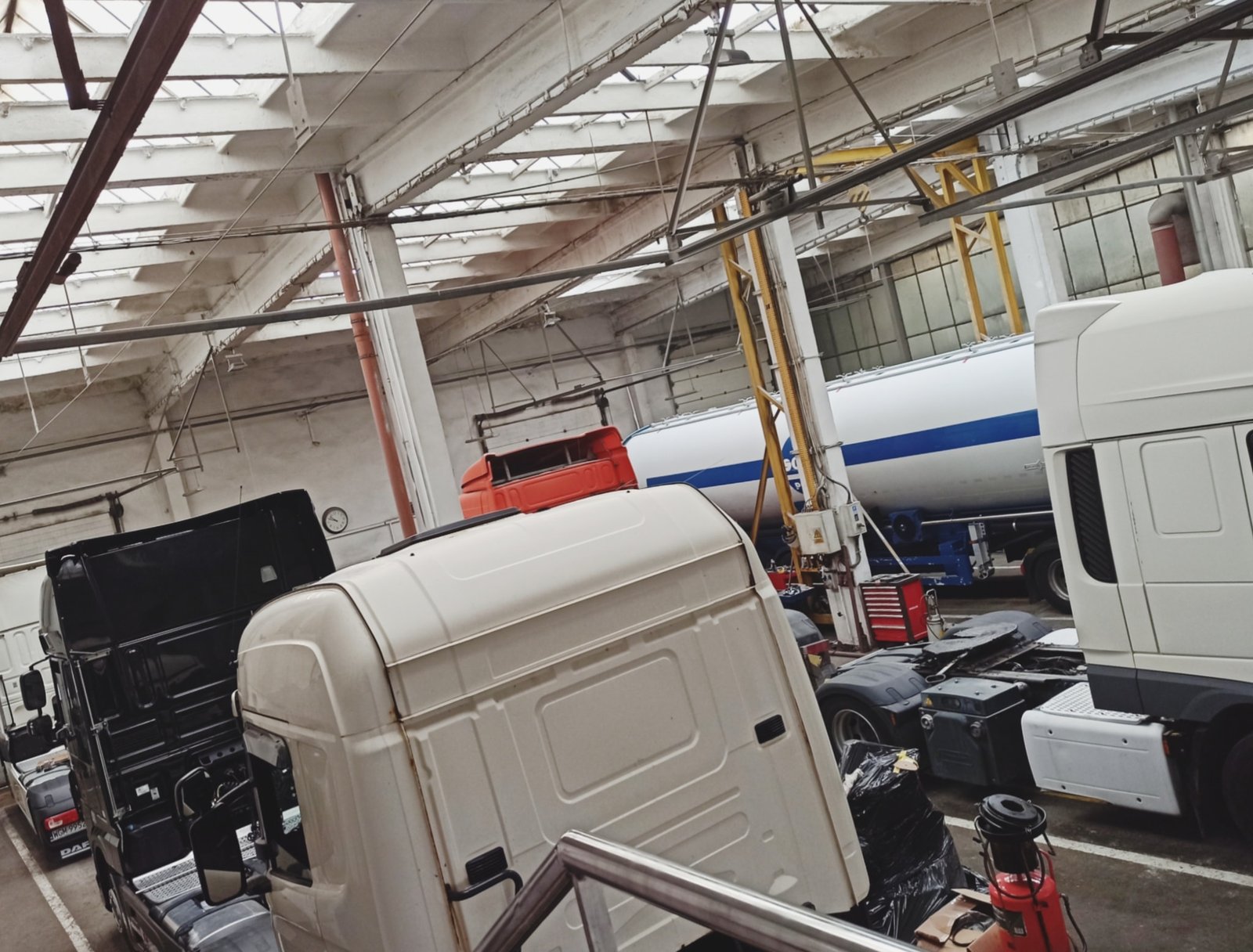
PHS Magnum is a specialist service centre for Spitzer silo trailers with 30 years of experience. We diagnose, repair and maintain pneumatic systems on Spitzer SF and SK series trailers.
Workshop location: Chorula near Opole, 4 km from the A4 motorway, 180 km from the German border.
Call for a diagnosis or quote: +48 602 716 551
Related: Spitzer Service · Spare Parts · TDT Inspections · Aeration Pads