In Brief
Spitzer aeration pads (Begasungspolster) are microporous textile membranes on the chamber floor that fluidise bulk cargo with compressed air at around 2 bar. Types: polyester (standard granules, flour), polyamide (cement, lime), silicone FG (food-grade), PTFE (chemical). Service life: 1–5 years depending on cargo. Signs of wear: slow or incomplete discharge, air blowing through pad surface, material residue in chamber corners. Replacement of a full pad set on a ~60 m³ silo trailer: 6–8 hours. PHS Magnum stocks standard Spitzer pad sizes for same-day dispatch.
Spitzer Trailer Aeration Pads: Selection and Replacement Guide
The aeration pad (German: Begasungspolster) is a permeable textile or membrane element installed on the floor of each silo compartment. Compressed air from the onboard compressor passes through the pad, fluidising the bulk material and enabling gravity discharge.
Types of Aeration Pads
Polyester (PES)
- Most common type, standard for grain, sugar and dry foodstuffs
- Low moisture absorption, cost-effective
- Not recommended for cement (alkaline attack) or plastic granules (abrasion)
- Service life: 12–18 months in normal grain transport
Polyamide (PA)
- Higher abrasion resistance than PES
- Suitable for plastic granules (PE, PP, PVC), cement, powdered minerals
- Slightly higher moisture absorption than PES — dry storage important
- Service life: 12–18 months in granule/cement transport
Silicone FG (Food Grade)
- FDA 21 CFR compliant, EC 1935/2004 compliant
- For food products (flour, starch, sugar), pharmaceutical powders
- High temperature resistance: stable up to 180°C
- Service life: 24 months or on visible discolouration (yellow/brown tint)
PTFE
- Inert to all chemicals, including acids and alkalis
- For aggressive chemical powders
- Very long service life: 36+ months
- Highest cost
How to Check Aeration Pad Condition
Check pads at every service (every 6 months or 50,000 km):
- Flex the pad by hand — should be flexible, not stiff or cracked
- Inspect for cuts, punctures, and abrasion through-wear
- At low test pressure (0.1 bar): air should permeate evenly across the whole surface — not through holes or concentrated spots
- If the pad feels moist or has an ammonia-like smell: replace immediately (biological contamination)
Replacement Procedure
- Depressurise the compartment completely
- Remove the old pad — unscrew the retaining frame or undo the clips (model-dependent)
- Clean the pad seat and retaining groove
- Install the new pad: ensure all edges are seated in the groove, no folds or gaps
- Refit retaining frame — torque to specification (typically 5–8 Nm for M6 bolts)
- Test at 0.2 bar: no leakage at edges, even air distribution across pad surface
Ordering Correct Pads
Always specify when ordering:
- Spitzer series (SF non-tipping or SK tipping) and model designation
- Compartment position (front/middle/rear)
- Pad dimensions (length × width, in mm)
- Material (PES/PA/Silicone FG/PTFE)
- Cargo type
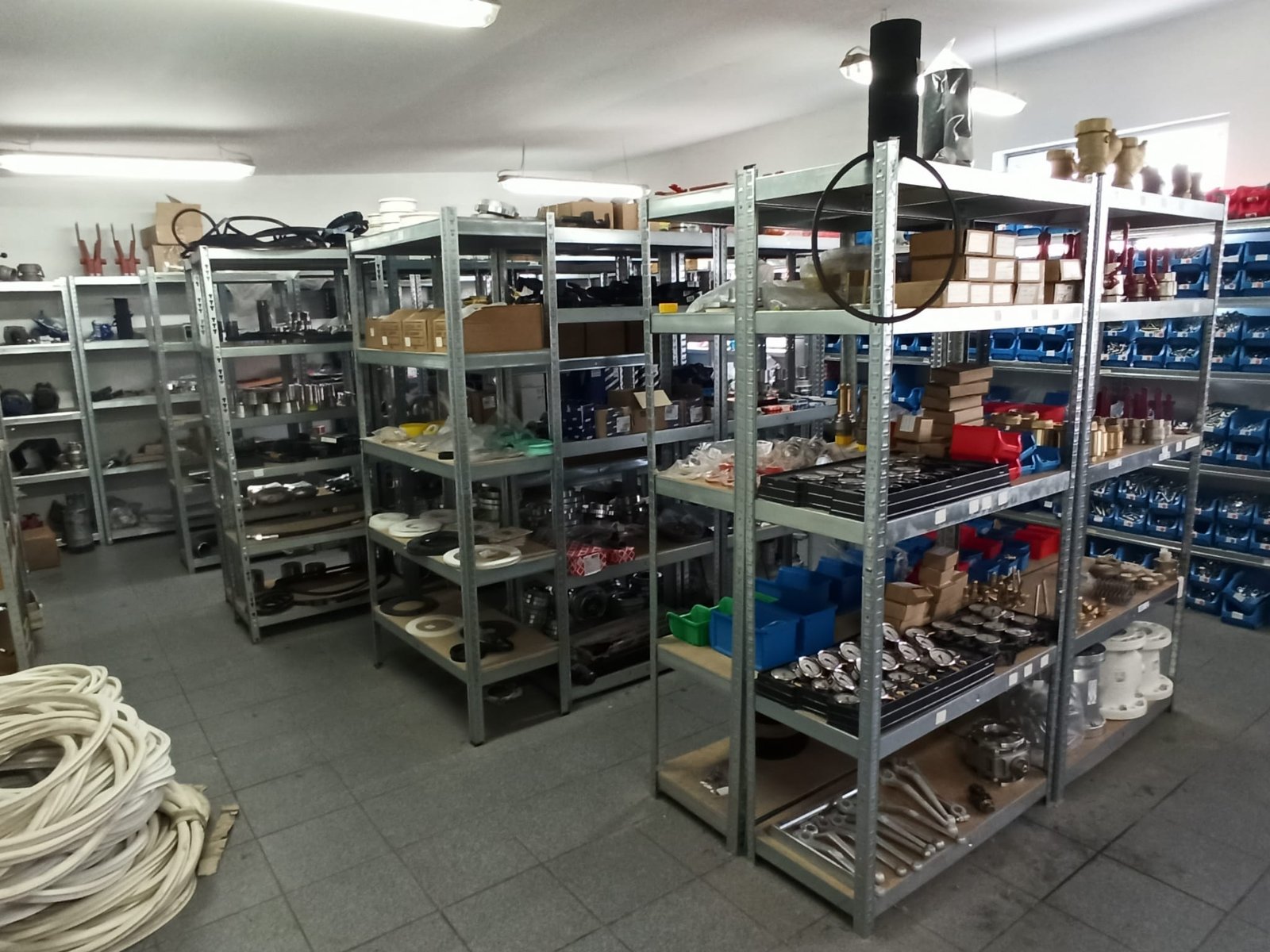
We stock standard Spitzer pad sizes and can supply custom sizes within 5 working days.
Related: Spitzer trailer service · Silo trailer spare parts · TDT inspection · Repair & renovation